

Showing 61–72 of 75 results

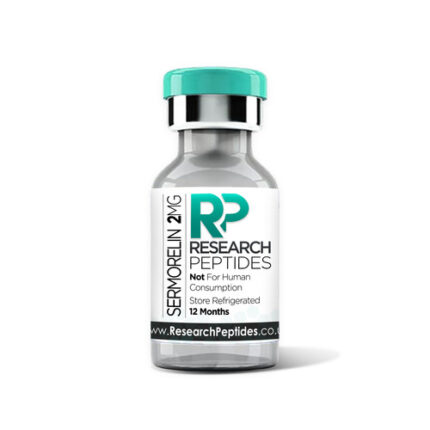
Sermorelin (2mg)

£9.99

Sermorelin (sermorelin acetate), also known as GRF 1-29 and is a peptide that consists of the first 29 amino acids

Sermorelin (GRF 1-29 ) 2mg | Buy Sermorelin Peptide
£12.95

Buy Sermorelin (sermorelin acetate), known as GRF 1-29 from a trusted supplier of research peptides online with Fast Delivery.

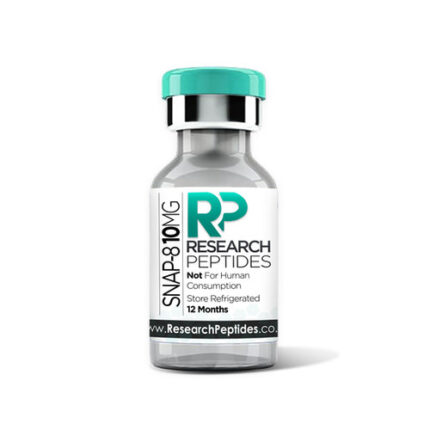
Snap-8 (10mg)

£10.95

SNAP-8 is an anti-wrinkle peptide. Human trials with this class of peptide showed that it effectively reduced the number of

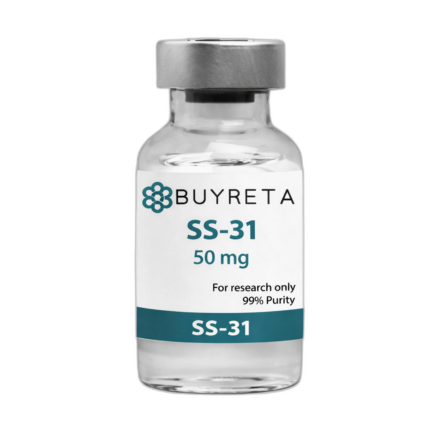
SS-31

£130.00

SS-31 is a high-purity mitochondria-targeted peptide for research into oxidative stress protection, mitochondrial membrane integrity, and cardioprotective mechanisms. Not for human or animal use.

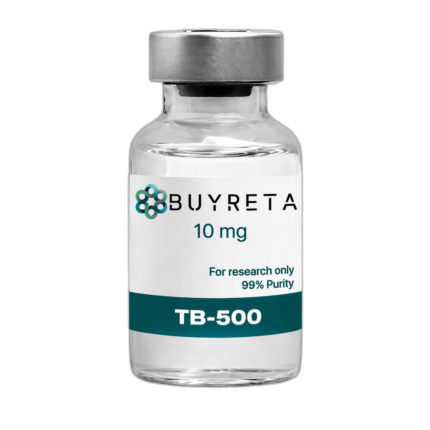
TB-500

£30.00

TB-500 is a high-purity synthetic Thymosin Beta-4 fragment for research into tissue repair, actin modulation, and musculoskeletal regeneration. Not for human or animal use.

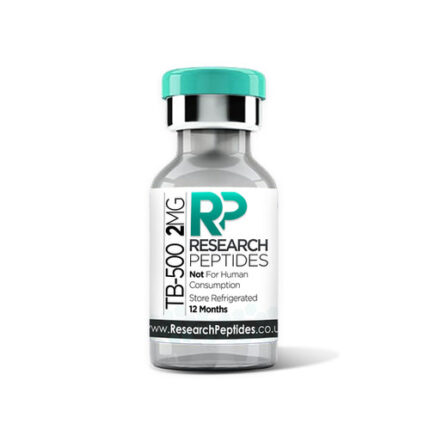
TB-500 (2mg) – Thymosin Beta

£11.95

Thymosin beta-4 is a protein that in humans is encoded by the TMSB4X gene. Recommended INN (International Nonproprietary Name) for

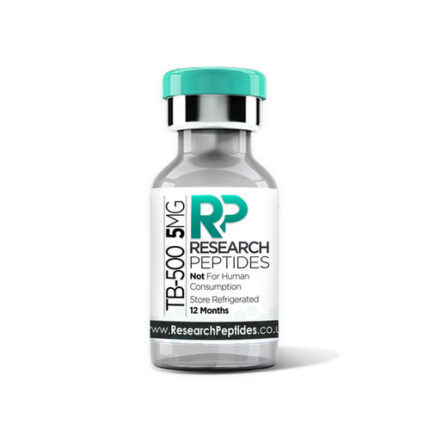
TB-500 (5mg) – Thymosin Beta

£24.95

Thymosin beta-4 is a protein that in humans is encoded by the TMSB4X gene. Recommended INN (International Nonproprietary Name) for

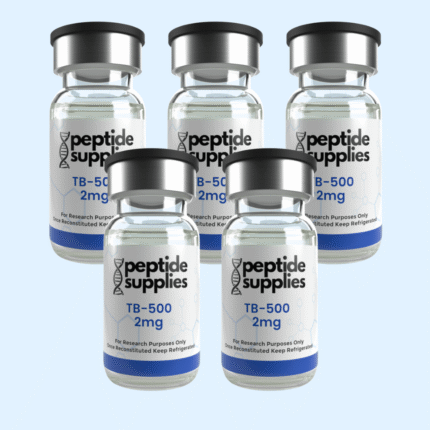
TB500 Bundle 5 x 2mg – Peptide Supplies
£79.00

This product is for 5 x 2mg TB500 bundle. Providing a great discount on purchasing single vials of TB 500.

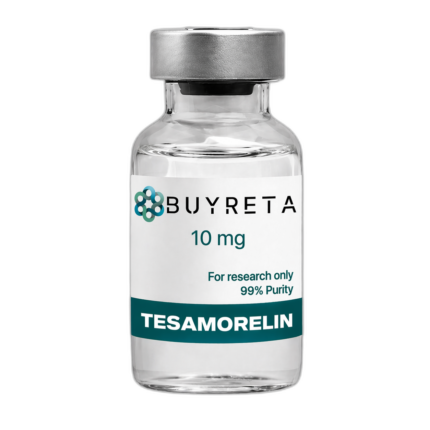
Tesamorelin

£75.00

Tesamorelin is a high-purity synthetic GHRH analogue for research into growth hormone stimulation, visceral fat reduction, and metabolic body composition. Not for human or animal use.

Tesamorelin (2mg)

£27.95

Model: Tesamorelin (2mg)Research Only: YesTesamorelin (2mg) – High-Quality Research PeptideTesamorelin, also known as TH9507, Tesamorelin is a peptide intended solely

Thymalin (20mg)

£48.99

Thymulin is a nonapeptide produced by two distinct epithelial populations in the thymus first described by Bach in 1977. The

Thymalin (5mg)

£14.95

Thymulin is a nonapeptide produced by two distinct epithelial populations in the thymus first described by Bach in 1977. The