

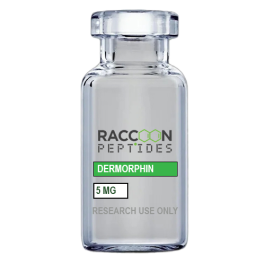
Dermorphin 5mg
£22.90
Dermorphin 5mg is a peptide identified in scientific literature as an opioid heptapeptide associated with mu-opioid receptor research. Its distinctive amino acid sequence has been examined in studies of peptide chemistry, molecular structure and receptor interactions. Manufacturer, formulation, purity and batch documentation have not been provided and should be independently verified before any product-specific claims are made.
Dermorphin 5mg
Scientific Product Overview
Dermorphin 5mg is a peptide identified in scientific literature as part of the opioid peptide family. Dermorphin is particularly notable for its unusual amino acid structure and its interaction with mu-opioid receptors. Originally isolated from the skin secretions of certain South American frogs belonging to the Phyllomedusa group, this peptide has attracted scientific interest in peptide chemistry, molecular structure and opioid receptor pharmacology.
Dermorphin is classified as a naturally occurring opioid heptapeptide. Its established amino acid sequence is Tyr-D-Ala-Phe-Gly-Tyr-Pro-Ser-NH₂. The presence of D-alanine at the second position distinguishes its structure from many other naturally occurring peptide sequences. This structural characteristic has been investigated in scientific studies examining peptide activity and receptor interactions.
The 5mg designation identifies the stated quantity associated with this product. However, the manufacturer, physical presentation, formulation and independently verified composition have not been provided. These details should not be assumed from the product name alone.
Understanding Dermorphin
Dermorphin was first identified through investigations into the biological compounds found in amphibian skin secretions. Subsequent research established its classification as an opioid peptide with a strong affinity for mu-opioid receptors.
Unlike many conventional peptide compounds, dermorphin contains a D-amino acid residue. This is an important characteristic in peptide chemistry because amino acid configuration can influence molecular structure and interactions with biological receptors.
Its scientific classification makes dermorphin relevant to several areas of academic investigation, including:
-
Peptide chemistry and molecular structure.
-
Opioid peptide classification.
-
Molecular recognition and receptor binding.
-
Structure–activity relationships.
-
Comparative investigations of naturally occurring and synthetic peptides.
A detailed scientific overview is available in the peer-reviewed publication The Dermorphin Peptide Family.
PubMed+1
Scientific Characteristics
One of dermorphin’s most distinctive characteristics is its seven-amino-acid structure.
Its molecular sequence is:
Tyr-D-Ala-Phe-Gly-Tyr-Pro-Ser-NH₂
The sequence contains both conventional and D-configured amino acid components. This arrangement has been an important subject in research examining how peptide structure relates to receptor recognition.
Researchers have also investigated modifications to the original dermorphin sequence to understand how structural changes affect opioid receptor interactions.
The 1983 publication Structure-Activity Studies of Dermorphin examines synthetic dermorphin analogues and their pharmacological characteristics. It provides historical scientific context for understanding why the compound remains relevant in peptide chemistry research.
PubMed+1
Research Background and Areas of Scientific Interest
Dermorphin has been examined in experimental pharmacology, particularly in relation to mu-opioid receptor binding.
Relevant scientific research areas include:
1. Peptide structure research
Investigations into the relationship between amino acid arrangement, peptide configuration and molecular properties.
2. Opioid receptor research
Studies examining the interaction between dermorphin and mu-opioid receptors.
3. Structure–activity relationships
Scientific comparisons involving the original dermorphin sequence and structurally modified analogues.
4. Peptide chemistry
Research into the synthesis, classification and structural characterisation of opioid peptides.
5. Comparative molecular research
Investigations comparing naturally occurring opioid peptides with synthetic peptide analogues.
These are established areas of scientific investigation. They should not be interpreted as evidence of consumer benefits or as proof of therapeutic suitability.
For additional scientific context, readers can consult the 2024 scientific review on analgesic peptides. This review discusses different peptide families and their molecular characteristics.
Quality, Documentation and Transparency
Scientific product documentation is important when evaluating the identity and characteristics of a research compound.
A Certificate of Analysis can provide information about a particular batch, depending on the analytical methods used and the scope of the report.
Documentation should be checked for:
-
Compound identification.
-
Batch reference.
-
Analytical method.
-
Report date.
-
Laboratory identity.
-
Results and acceptance criteria.
-
Correspondence between the documentation and the product label.
A certificate should not be described as independent verification unless the issuing laboratory and its relationship with the manufacturer have been established.
Likewise, statements concerning purity, pharmaceutical standards, GMP compliance or independent testing should only be published when supported by appropriate evidence.
UK Regulatory Considerations
Dermorphin has significant pharmacological relevance because of its interaction with opioid receptors. It should not be presented as an ordinary wellness supplement, cosmetic ingredient or general-purpose consumer peptide.
The legal classification of a particular product depends on the relevant legislation, its composition, intended purpose, presentation and proposed supply arrangements.
The UK Human Medicines Regulations 2012 contain requirements concerning the sale and supply of unauthorised medicinal products. The MHRA also provides guidance on unlicensed medicinal products.
Legislation.gov.uk+1
For this reason, a research-use-only label should not be treated as automatic confirmation that a product is exempt from UK medicines legislation.
Important Research-Use Notice
Dermorphin is a potent opioid peptide with established pharmacological activity. It is not presented here as a medicine, an approved treatment or a product for human administration.
Scientific information about dermorphin does not establish the safety, quality, legality or suitability of any particular 5mg product.
Any proposed UK supply must undergo appropriate regulatory and legal assessment before publication or distribution.


Related products
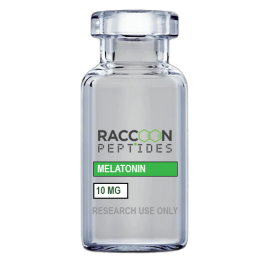
Melatonin 10mg
Melatonin 10mg is a product listing for melatonin, a hormone associated with circadian rhythms and biological timing. The product's brand, physical format, packaging and documentation must be confirmed before publication. UK supply requirements are important: melatonin is a prescription-only medicine in the UK, so the product's classification and intended use must be verified before it is offered for sale.
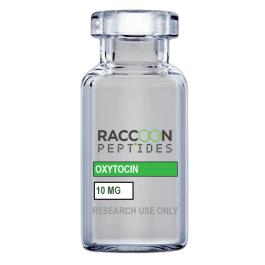
Oxytocin 10mg
Oxytocin 10mg is a product listing for oxytocin, a nine-amino-acid neuropeptide studied in neuroendocrine signalling and receptor biology. The stated quantity is 10mg. Before ordering, confirm the brand, product format, purity, packaging and available batch documentation with the supplier. Where applicable, the product must be accurately labelled for research purposes only and must not be presented as a medicine or treatment.
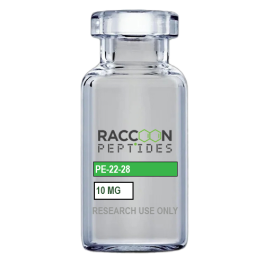
PE-22-28 10mg
PE-22-28 10mg is a peptide product reference associated with preclinical research into the TREK-1 potassium channel. Review the available scientific literature and verify product identity, packaging, quantity and batch documentation before publication or purchase. Brand, purity, testing and storage information have not been supplied for this listing. Confirm the product’s intended-use designation and applicable UK regulatory requirements before offering it for sale.
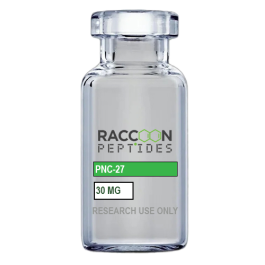
PNC-27 30mg
PNC-27 30mg is a product listing associated with PNC-27, a synthetic peptide investigated in preclinical research involving the MDM2–p53 pathway. This informational description outlines the compound's scientific context and the stated quantity. Manufacturer, formulation, purity, packaging and batch documentation remain unconfirmed and should be verified before publication.
Reviews
There are no reviews yet.